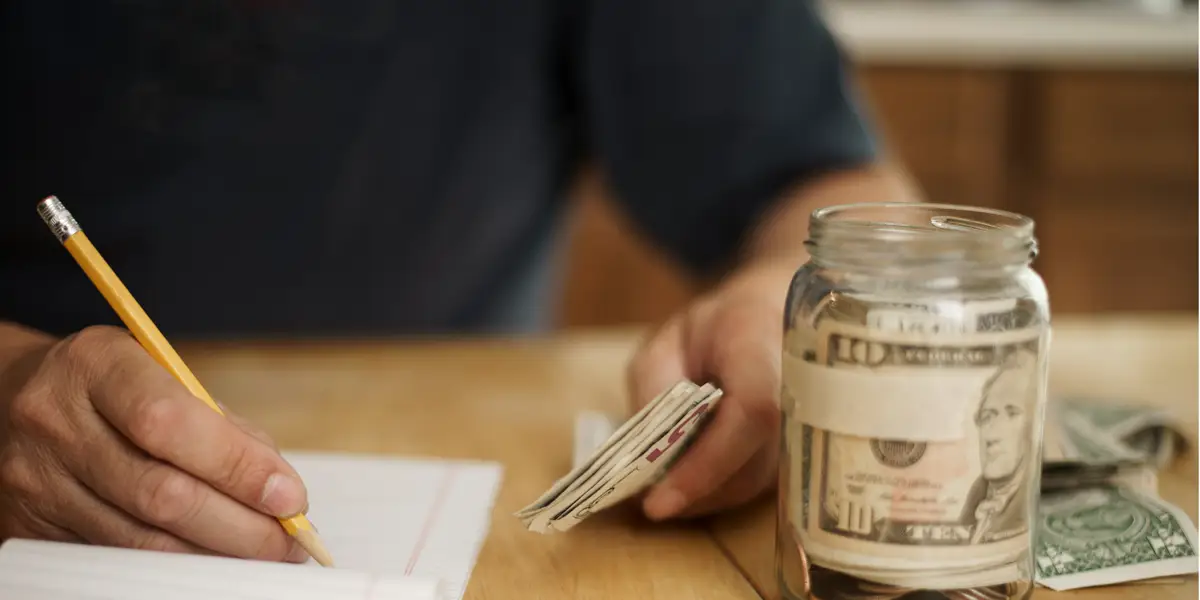
Travel has always been a passion of mine, but for years I assumed it was something reserved for people with limitless disposable income. Over time, I discovered that seeing the world doesn’t require breaking the bank. Saving for a dream trip on a budget is entirely possible with strategy, discipline, and a little creativity. I’ve learned that approaching travel as a financial goal makes the journey toward it just as rewarding as the trip itself.
Setting a Clear Destination and Budget
The first step in saving for any trip is determining where you want to go and what it will cost. I started by researching potential destinations, considering factors like accommodation, meals, transportation, and activities. Once I had an estimate, I set a realistic target amount to save.
Breaking the total cost into smaller, manageable goals made the process less daunting. For instance, if the trip would cost $2,500, I divided it into monthly or weekly savings targets. This approach transformed a large financial task into a series of achievable steps, which made sticking to the plan much easier.
Opening a Dedicated Travel Fund
I realized early on that mixing travel savings with regular checking accounts made it tempting to spend the money elsewhere. To combat this, I opened a separate savings account exclusively for travel. Some banks offer high-yield accounts or automatic transfers, which adds a bonus benefit of earning interest while saving.
I made it a habit to deposit a set amount weekly, treating it like a bill that had to be paid. This consistency not only grew the fund but also reinforced my commitment to the goal. Over time, watching the balance increase became motivating and exciting.
Tracking Expenses and Identifying Extra Cash
To accelerate savings, I tracked my everyday expenses carefully. I discovered small areas where money was leaking without notice, unused subscriptions, frequent takeout, and impulse purchases. Identifying these areas allowed me to redirect funds toward travel.
Even small amounts added up surprisingly fast. Skipping a few coffees each week or opting for home-cooked meals instead of dining out freed up money I had never considered available. Every dollar saved was a step closer to making the dream trip a reality.
Using Cash Envelopes for Discipline
For certain spending categories, I implemented the cash envelope method. I allocated cash for groceries, dining out, and entertainment, leaving a designated envelope for each. Once the cash ran out, I stopped spending in that category.
This system added a tactile element to budgeting and increased awareness of spending habits. Knowing that every dollar in the envelope was intended for a specific purpose made me more deliberate with purchases and helped me maintain discipline without feeling deprived.
Selling Unused Items for Extra Savings
One of the fastest ways I added to my travel fund was by selling items I no longer used. Old electronics, clothes, and furniture found new homes while providing extra cash. Online marketplaces and local consignment shops made the process easy.
Not only did this free up space in my home, but it also created a direct link between decluttering and achieving my travel goals. Each sale was a tangible reminder that even small actions contribute to larger dreams.
Picking the Right Travel Rewards Programs
Credit card points and airline loyalty programs became a significant component of my savings strategy. I signed up for cards that offered travel rewards with no annual fee and focused spending on those cards for everyday purchases.
Using points strategically allowed me to cover flights, accommodation, or even excursions. I approached these programs with discipline, paying off balances in full each month to avoid interest fees. Over time, rewards accumulated faster than expected, significantly reducing the overall cost of the trip.
Reducing Accommodation Costs
Accommodation often consumes a large portion of a travel budget, so I explored alternatives to expensive hotels. I used vacation rental platforms, hostels, and even home exchanges to find affordable options.
Booking well in advance and staying slightly outside tourist-heavy areas made a noticeable difference in cost without compromising experience. I also looked for accommodations with kitchen facilities, which allowed me to cook some meals and further reduce expenses.
Traveling During Off-Peak Times
Timing plays a crucial role in travel budgeting. I found that visiting destinations during off-peak seasons drastically reduced costs for flights, accommodation, and even attractions.
Flexibility with travel dates allowed me to take advantage of deals that would have been impossible during peak periods. Even adjusting a trip by a week or two often meant hundreds of dollars saved, freeing up money for other experiences during the trip.
Meal Planning While Traveling
I approached meals on vacation with the same budget-conscious mindset I used at home. Sampling local cuisine is part of the experience, but I balanced this with affordable options. I often packed snacks for day trips, bought groceries for simple meals, or ate at local markets instead of high-priced restaurants.
Meal planning on the road prevented overspending and ensured I could enjoy the culinary aspect of travel without guilt. It also added an element of adventure, exploring how to eat like a local on a budget.
Prioritizing Experiences Over Material Souvenirs
Souvenirs can become an unexpected drain on a travel budget. I shifted my focus from buying items to creating experiences. Free walking tours, hiking trails, and cultural events became my preferred ways to enjoy a destination.
When I did purchase souvenirs, I chose meaningful, low-cost items that would serve as reminders of the experience rather than generic trinkets. This mindset shift allowed me to enjoy the destination fully while keeping spending under control.
Automating Savings Contributions
To ensure consistency, I automated contributions to my travel fund. Setting up automatic transfers from my primary account to my travel savings account made saving effortless.
Automation removes the temptation to spend and creates a steady growth path for the fund. I found that even modest weekly contributions accumulate faster than expected, providing a sense of security and progress.
Taking Advantage of Cashback and Discounts
Cashback apps, student discounts, and loyalty programs helped stretch my travel budget further. I researched available offers for airlines, hotels, and activities. Applying these discounts consistently reduced costs and allowed me to allocate funds for additional experiences or upgrades.
Combining multiple small savings strategies often resulted in a surprisingly large impact on the overall budget. The key was consistency and attention to detail rather than one-time windfalls.
Limiting Impulse Purchases During the Saving Phase
While saving for travel, I practiced restraint with discretionary spending. Avoiding impulse purchases required planning and awareness, such as making a list before shopping and delaying purchases by a day or two to consider necessity.
This discipline strengthened my financial habits overall. By prioritizing long-term goals over short-term gratification, I not only saved for travel but became more intentional with spending in other areas of life as well.
Side Hustles to Accelerate Savings
I explored side income opportunities to boost the travel fund. Freelance work, tutoring, and selling handmade items added substantial contributions. Even a few hours a week provided extra flexibility in the budget.
Side hustles also reinforced the value of dedicating effort to achieve financial goals. The money earned directly translated into new experiences, creating a tangible link between work, discipline, and reward.
Keeping Motivated With Visual Tracking
I used visual trackers to stay motivated, including charts, progress bars, and a vision board with photos of the destination. Seeing progress visually reinforced the habit of saving and provided daily inspiration.
Tracking milestones made the process enjoyable rather than stressful. Celebrating each small achievement, like reaching 25% of the goal, created momentum and a sense of accomplishment.
Engaging Family or Friends in the Plan
Saving for a trip can be even more fun when shared with family or friends. I coordinated goals with travel companions, setting joint savings targets and sharing tips on discounts or hacks.
This approach added accountability and created shared excitement for the upcoming adventure. When others are involved, the journey toward the trip becomes a collective experience, strengthening relationships even before departure.
Using Budget-Friendly Transportation Options
I looked for affordable transportation beyond flights. Public transit, ride-sharing, and bicycle rentals often proved cheaper than taxis or rental cars. Walking whenever possible not only reduced costs but also provided a more intimate way to explore a city.
I also compared flights across multiple airlines, dates, and booking platforms. Flexibility in departure times and airports consistently resulted in savings that allowed me to allocate funds to other travel activities.
Preparing for Emergencies Without Overbudgeting
Unexpected expenses can derail a trip if unplanned. I created a small emergency fund within the travel budget to cover medical issues, last-minute changes, or lost items. Having this safety net reduced stress and prevented overspending elsewhere.
Being prepared allows for peace of mind and ensures that financial constraints don’t overshadow the experience of travel. It also reinforces a mindset of careful planning and foresight that benefits all areas of life.
Rewarding Yourself Without Overspending
Saving for travel doesn’t mean eliminating all enjoyment before the trip. I allowed myself small, budget-conscious rewards, like a coffee treat or a low-cost activity, to maintain motivation.
Balancing restraint with small pleasures prevents burnout and keeps the process sustainable. This approach makes the act of saving feel positive rather than restrictive, which is crucial for long-term goals.
Learning From Each Trip
After each trip, I reflected on what worked and what could be improved financially. Did a particular hack save more than expected? Did a planned expense turn out unnecessary?
This reflection informs future travel plans, making each subsequent trip more cost-effective and enjoyable. Continuous improvement transforms saving and traveling into a lifelong skill rather than a one-time effort.
Final Thoughts
Traveling on a budget is a mindset, not a limitation. By setting clear goals, automating savings, leveraging discounts, and embracing creativity, I’ve consistently made dream trips possible without financial strain. Every small step, from reducing daily expenses to strategic planning, adds up to a significant impact over time.
Saving for a trip on a budget also teaches valuable life skills, discipline, planning, and mindfulness, that extend beyond travel. It transforms the way I approach money, goals, and experiences. The key is consistency, persistence, and a willingness to explore alternatives to conventional spending.
With preparation, flexibility, and a positive mindset, travel becomes a realistic and enriching pursuit. I’ve learned that every dollar saved, every plan executed, and every small sacrifice contributes to unforgettable experiences and personal growth. Travel on a budget isn’t about limitation, it’s about maximizing joy, adventure, and memories without compromising financial well-being.